Now Reading: 2025: Aviation sector still limping despite small wins
-
01
2025: Aviation sector still limping despite small wins

Even with a few little gains recorded this year, Nigeria’s aviation sector is still navigating a tempest, bogged down by legacy issues, heavy taxes and operational bottlenecks.
The issue has left airlines struggling to soar and passengers facing a bumpy ride and high tickets.
Stakeholders have assessed the sector’s performance and outlined priorities for 2026. Those who spoke to Daily Sun painted a picture of an industry that has recorded some progress but remains weighed down by deep-rooted challenges.
The government recorded modest gains in stabilising the sector, particularly with the signing of a Practice Direction that has enabled domestic airlines to acquire aircraft on dry lease. It also resolved the long-standing blocked funds crisis that had wiped out nearly half of Nigeria’s international travel market. Domestic airlines are equally making strategic moves, including United Nigeria Airlines’ partnership with Canada’s Cronos Aviation to establish a Maintenance, Repair and Overhaul (MRO) facility, and Air Peace’s groundbreaking ceremony for its own MRO facility in Lagos.
However, stakeholders say these gains have yet to translate into meaningful operational improvements. The Boeing simulator at the Nigerian College of Aviation Technology (NCAT) remains unused, resulting in an estimated annual revenue loss of $4 million. Domestic airlines continue to operate under what they describe as an unsustainable tax burden involving more than 18 different charges. Foreign airlines still reject naira transactions despite currency stabilisation, while Nigeria lacks a true hub airport, losing transit revenue to smaller African countries.
While stakeholders have offered clear recommendations for 2026, they insist progress will ultimately depend on government action.
Unused Boeing 737 simulator
One lingering concern is why the Boeing 737NG aircraft simulator installed at NCAT, Zaria, five years ago remains non-operational. The equipment, originally scheduled for delivery in December 2016, was delayed due to late payments and eventually delivered in 2020.
Industry analysts estimate Nigeria could save up to $4 million annually on pilot training if the simulator were operational, while also eliminating the cost of international travel incurred when airlines send pilots abroad for training.
Gains
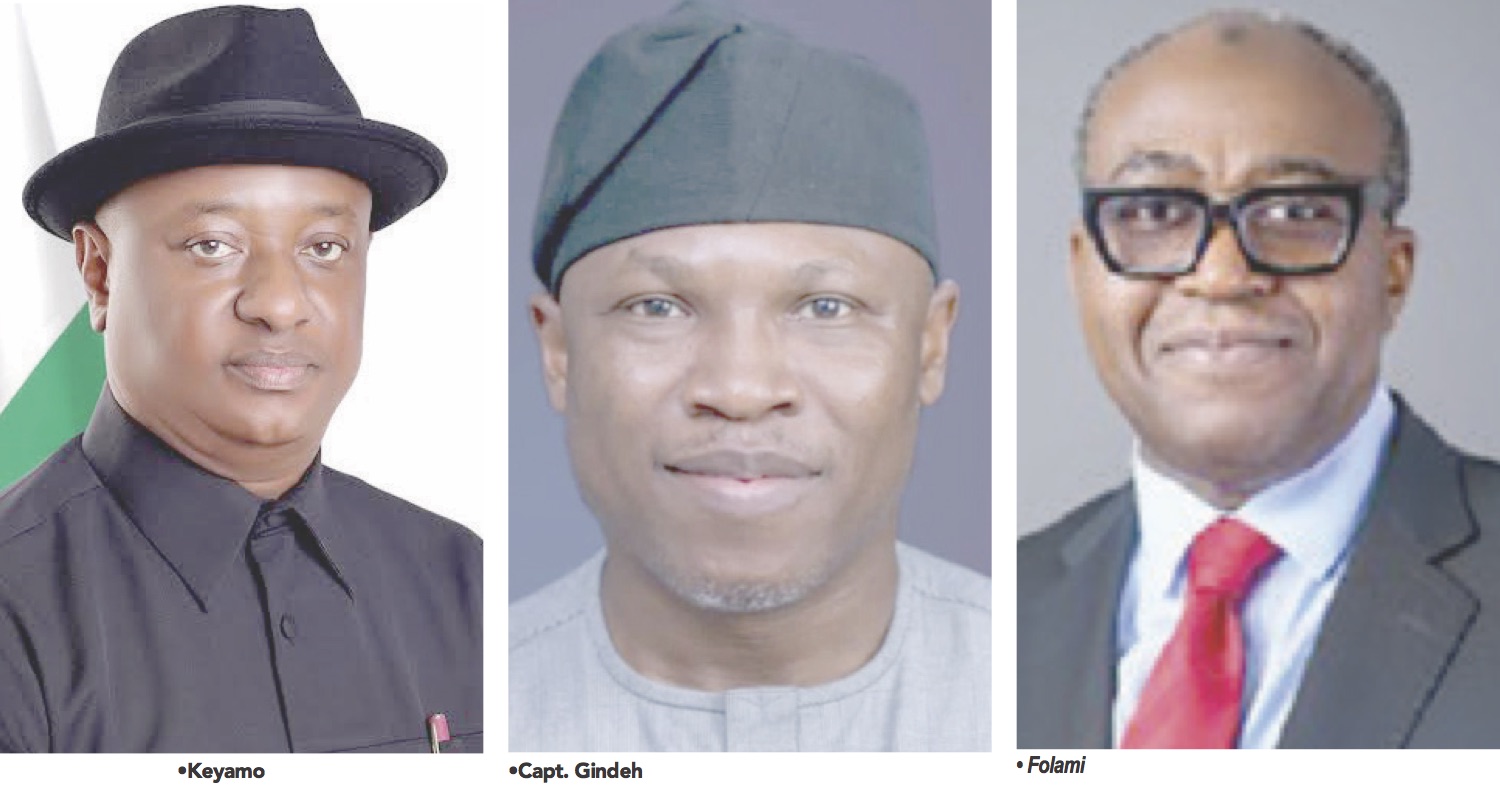
The National President of the National Association of Nigeria Travel Agents (NANTA), Yinka Folami, told Daily Sun that despite persistent challenges, the aviation sector recorded “remarkable gains” in 2025, particularly in strengthening local capacity.
He commended the government and the Central Bank of Nigeria (CBN) for reforms that have stabilised the exchange rate, converged forex windows, improved liquidity, enhanced transparency and restored market confidence. According to him, resolving airline fund repatriation issues marked a major breakthrough after billions of naira belonging to foreign airlines were trapped in Nigeria, prompting threats of reduced operations.
“The repatriation crisis that threatened international connectivity has been resolved. International airlines are successfully repatriating funds, confirming the success of government intervention. The CBN and fiscal authorities deserve commendation,” Folami said.
Foreign airlines keep raking in dollars from Nigeria
However, Folami noted that despite naira stability, three foreign airlines still insist on selling tickets exclusively in dollars, contrary to Nigerian law.
NANTA data shows dollar-only sales exclude about 70 per cent of IATA and NANTA-certified members, limiting travel agents’ access to direct ticket sales. He urged the Nigerian Civil Aviation Authority (NCAA), Federal Competition and Consumer Protection Commission (FCCPC), Nigerian Tourism Development Authority (NTDA) and the Nigeria Hotel and Tourism Institute (NIHOTOUR) to investigate and sanction erring airlines.
“If naira sales are accommodated, over 70 per cent of Nigerian travel agencies will regain direct market access,” he said.
Multiple charges and taxes
Domestic airlines face a different challenge. Prof. Obiora Okonkwo, spokesperson of the Airline Operators of Nigeria (AON) and chairman of United Nigeria Airlines, said domestic carriers pay over 18 different charges and levies to operate.
He explained that airlines pay for almost every interaction with regulatory agencies, creating a heavy financial burden that undermines growth and competitiveness.
“For the umpteenth time, domestic airlines have cried out over multiple taxes that have kept them on life support. We call on the federal government to intervene before we are taxed to death,” Okonkwo said.
He added that lack of affordable financing remains the most pressing challenge, as Nigerian airlines face high borrowing costs compared to international counterparts. AON is demanding single-digit interest loans and a special foreign exchange window.
Lack of a hub airport
Aviation experts say Nigeria’s most glaring infrastructure gap is the absence of a major hub airport. Despite a population of over 200 million, the country lacks a hub built around major carriers, leading to significant revenue losses.
Air Peace Chairman, Allen Onyema, highlighted the issue at the 29th League of Airports and Aviation Correspondents (LAAC) Conference in August 2025, citing operational challenges caused by poor transit facilities at Lagos airport.
Passengers transiting through Lagos, he explained, are forced through immigration, health checks and customs before reconnecting, discouraging future travel.
“If we give Nigerian airlines the right infrastructure, Ethiopia and others will be a thing of the past in the next 10 years,” Onyema said.
Aviation expert Amos Akpan said hub development requires deliberate government policy and collaboration with stakeholders. Essential infrastructure, he noted, includes transit lounges, hotels, cargo warehouses, trained personnel, reliable power supply, fuel availability, high-speed internet and modern aeronautical systems.
“Nigeria already has the data to justify Lagos as a hub, but success depends on deliberate planning and execution,” Akpan said.
NAAPE’s 2026 agenda
National President of the National Association of Aircraft Pilots and Engineers (NAAPE), Captain Bunmi Gindeh, outlined expectations for 2026, calling for legislative and budgetary reforms to grant operational and financial autonomy to the Nigerian Safety Investigation Bureau (NSIB) and NCAA.
He also urged government support to modernise surveillance and investigative tools, address an imminent wave of retirements through a National Aviation Workforce Development Plan, and fully fund modern Communication, Navigation and Surveillance/Air Traffic Management (CNS/ATM) systems.
“Our infrastructure must keep pace with technological advancement and traffic growth,” Gindeh said, adding that incentives for Sustainable Aviation Fuel adoption and aviation data-sharing frameworks are critical to future resilience.
Source: The Sun